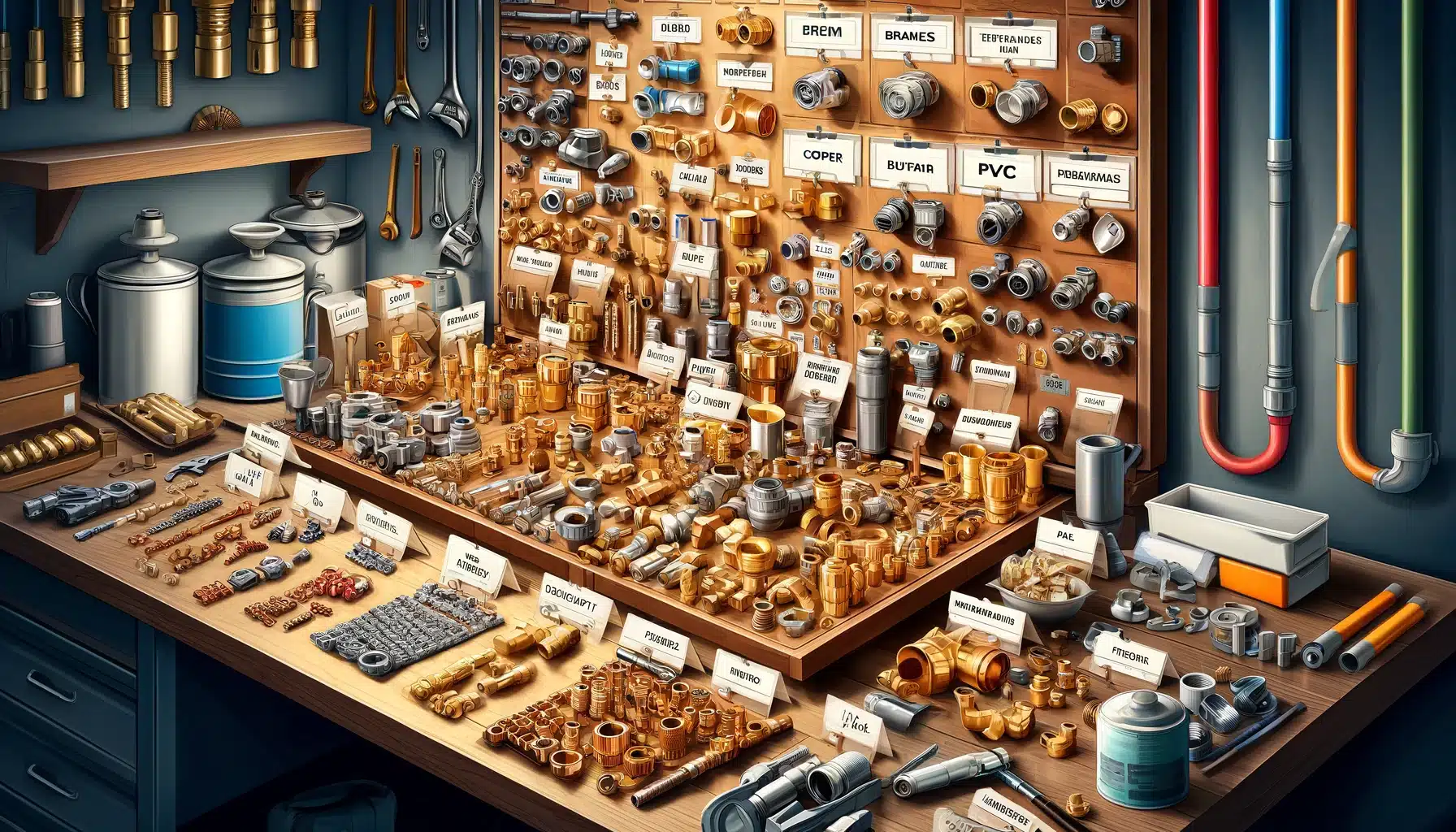
In the complex network of pipes that make up home and commercial plumbing systems, the choice of fittings can significantly influence efficiency, longevity, and ease of maintenance. This blog delves into the various types of plumbing fittings available on the market, discusses their applications, and helps you understand which might be best for your specific plumbing needs.
Plumbing fittings are essential components used to connect different sections of piping or tubing, alter the direction of the flow, branch off, or adapt to different sizes or shapes. Their role is critical because they must ensure a watertight seal to prevent leaks that could lead to water damage and costly repairs.
The material of the plumbing fittings plays a pivotal role in their functionality and suitability for different environments and purposes. Here’s a look at some of the most commonly used materials:
Each fitting type has a specific purpose in the plumbing system:
Selecting the right fittings is crucial for any plumbing project. Consider the following factors:
Proper installation is just as important as selecting the right type of fitting. Even the highest quality fittings can fail if not installed correctly. Here are some tips:
The choice of the best plumbing fittings depends on a multitude of factors, including the type of installation, environmental conditions, and the specific requirements of the plumbing system. By understanding the different types of fittings and their appropriate applications, you can ensure a reliable and efficient plumbing infrastructure.

Our expert engineers can help with all kinds of boiler repair and maintenance issues
Boiler Repair

If you need help with a plumbing, heating or gas issue then please contact us by calling 020 8419 8866 or you can book an engineer directly by selecting one of the options below.
Read more posts below:

Purchasing a new home is a significant investment, and one aspect often overlooked is the state of the property’s plumbing.

Maintaining a smooth-running plumbing system is crucial for the comfort and functionality of your home. Each season brings its own set of challenges that can affect your plumbing in different ways.

As energy prices continue to rise, many homeowners are looking for ways to heat their homes more efficiently to reduce their environmental impact and save money on utility bills.
If you need help please contact us using the details below or fill out the form and we'll be straight in touch.