Introduction
In the complex network of pipes that make up home and commercial plumbing systems, the choice of fittings can significantly influence efficiency, longevity, and ease of maintenance. This blog delves into the various types of plumbing fittings available on the market, discusses their applications, and helps you understand which might be best for your specific plumbing needs.
Understanding Plumbing Fittings
Plumbing fittings are essential components used to connect different sections of piping or tubing, alter the direction of the flow, branch off, or adapt to different sizes or shapes. Their role is critical because they must ensure a watertight seal to prevent leaks that could lead to water damage and costly repairs.
Material Matters
The material of the plumbing fittings plays a pivotal role in their functionality and suitability for different environments and purposes. Here’s a look at some of the most commonly used materials:
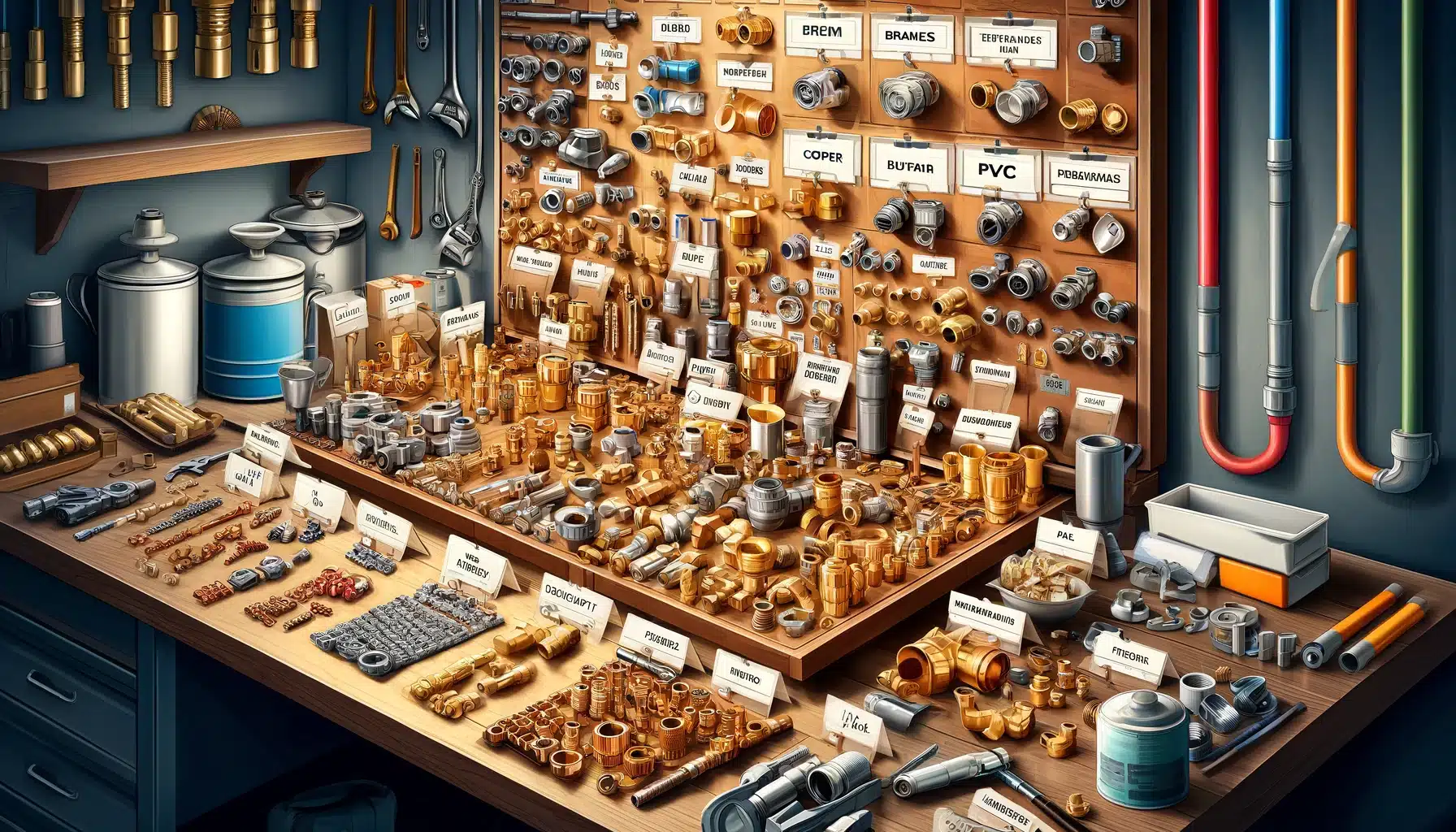
- Brass Fittings: Brass is one of the most popular materials for plumbing fittings due to its durability and corrosion resistance. It is particularly suited for hot water applications and environments where water quality can corrode other materials. Brass fittings are available in a variety of shapes and sizes, making them versatile for both residential and commercial plumbing systems.
- Copper Fittings: Known for its natural corrosion-resistant properties, copper is another traditional choice, especially in water supply lines. It is ductile and easy to work with, providing a tight, leak-proof connection when properly soldered. Copper fittings are excellent for maintaining water quality, making them a preferred choice for domestic water pipes.
- PVC Fittings: Polyvinyl chloride (PVC) fittings are a lightweight, cost-effective alte
ative, ideal for waste water systems and other low-pressure applications. PVC is easy to cut, assemble, and a good option for DIY projects. It’s resistant to a wide range of chemicals, which lends itself well to industrial applications where acids and bases are common. - PEX Fittings: Cross-linked polyethylene (PEX) offers a modeake on plumbing fittings. These are particularly renowned for their flexibility and strength, which allows them to withstand high pressures and temperatures. PEX fittings are quick to install and do not require soldering, making them ideal for speeding up construction projects without compromising on quality.
Types of Fittings and Their Uses
Each fitting type has a specific purpose in the plumbing system:
- Elbows: These are used to change the direction of the flow in a piping system. They come in various angles, most commonly 90 degrees and 45 degrees.
- Tees: Tees are used to split a flow into two directions or combine flows from two directions into one. They are essential in the branching of pipes.
- Couplings and Unions: Used to connect two pipes of the same diameter. Couplings are generally soldered or glued, while unions are designed to be easily removed for maintenance.
- Reducers: These fittings are used to connect pipes of different diameters, allowing for a smooth transition and flow rate adjustment between them.
Choosing the Right Fittings
Selecting the right fittings is crucial for any plumbing project. Consider the following factors:
- Compatibility: Ensure that the material of the fitting is compatible with the type of pipe used and the fluid that will pass through the system.
- Pressure and Temperature: Check the ratings of fittings to match them with the pressure and temperature requirements of the plumbing system.
- Environment: Consider environmental factors such as exposure to chemicals or extreme temperatures, which might dictate the need for more durable materials like stainless steel or brass.
Installation Considerations
Proper installation is just as important as selecting the right type of fitting. Even the highest quality fittings can fail if not installed correctly. Here are some tips:
- Ensure all fittings are tightened to the manufacturer’s specifications to avoid leaks.
- Use the correct tools for cutting, threading, and joining to avoid damaging the fittings or pipes.
- Regularly inspect and maintain fittings to extend their lifespan and ensure optimal performance.
Conclusion
The choice of the best plumbing fittings depends on a multitude of factors, including the type of installation, environmental conditions, and the specific requirements of the plumbing system. By understanding the different types of fittings and their appropriate applications, you can ensure a reliable and efficient plumbing infrastructure.