Upgrading your home’s heating system is a significant decision that can enhance comfort, improve energy efficiency, and increase the value of your property. Whether you’re motivated by the desire to reduce energy bills, the need to replace an aging system, or the wish to utilize more sustainable heating solutions, understanding your options and what to consider is crucial. At Heroes on Hand, we specialize in providing top-tier heating solutions to our clients in London and South Hertfordshire. Here’s what you need to know about upgrading your home’s heating system.
1. Assess Your Current System
Before considering an upgrade, evaluate your current heating system’s performance. Identify any issues, such as uneven heating, frequent repairs, or excessive noise, and consider the age of your system. Heating systems typically have a lifespan of 15-20 years; if yours is nearing the end of this range, it might be time for an upgrade.
2. Consider Different Heating Options
Central Heating Systems: These are the most common in the UK and include boilers that heat water for radiators or underfloor heating systems. Consider whether you want to stick with a traditional gas boiler or switch to an electric or biomass boiler for a more sustainable option.
Heat Pumps: Air source and ground source heat pumps are gaining popularity for their efficiency and environmental benefits. They work by extracting heat from the air or ground to heat your home and require less energy than traditional heating systems.
Solar Heating: Solar thermal panels can be used in conjunction with your existing heating system to reduce dependency on fossil fuels and lower energy costs.
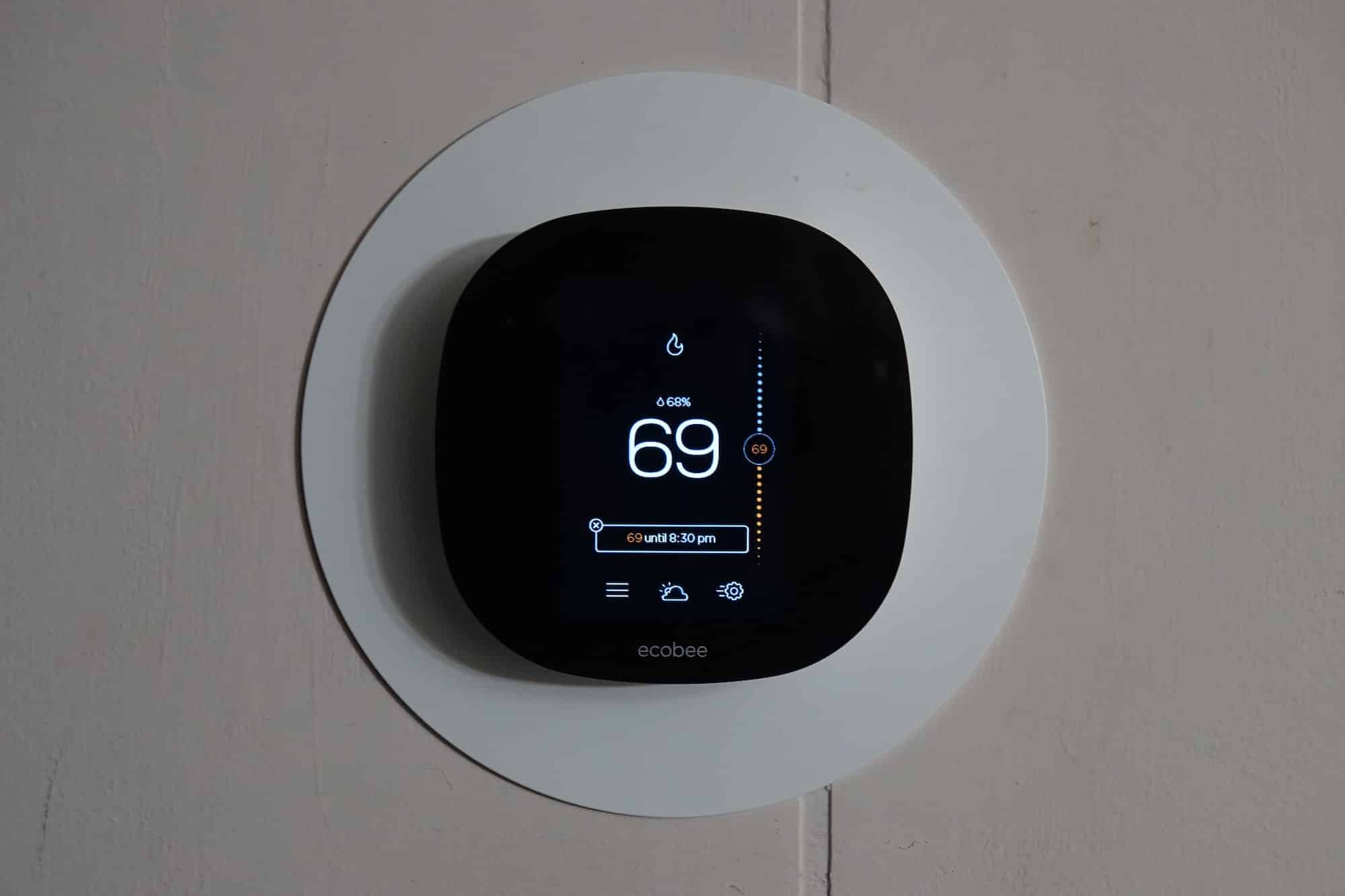
Smart Heating Controls: Upgrading to smart thermostats and zoned heating control can significantly improve the efficiency and comfort of any heating system by allowing for more precise temperature management.
3. Energy Efficiency and Sustainability
When upgrading, consider the energy efficiency of the new system. Look for the Energy Saving Trust Recommended label or similar certifications. An efficient system not only reduces your carbon footprint but can also significantly lower your energy bills.
4. Cost and Incentives
Upgrading a heating system involves upfront costs, but it’s important to consider long-term savings on energy bills and potential gove
ment incentives. In the UK, schemes like the Renewable Heat Incentive (RHI) may offer financial incentives for installing renewable heating technologies.
5. Professional Installation
Choosing the right installer is as crucial as selecting the heating system itself. Ensure that your installer is certified and experienced with your chosen system. A properly installed system operates more efficiently, is less likely to encounter early issues, and often comes with a warranty for added peace of mind.
6. Maintenance and Upkeep
Understand the maintenance requirements of your new system. While mode
heating systems are generally low maintenance, regular checks can extend their lifespan and ensure they operate efficiently. Consider setting up a service contract with a reputable provider to keep your system in top condition.
Conclusion
Upgrading your home’s heating system is a strategic move that can offer numerous benefits. By carefully considering your options, prioritizing energy efficiency, and choosing the right professionals for the job, you can ensure a smooth transition to a more comfortable, sustainable, and cost-effective heating solution.
For expert advice on upgrading your heating system, contact Heroes on Hand. Our team is dedicated to helping you find the best heating solutions tailored to your needs, ensuring your home remains warm and welcoming for years to come.